

Why does Gen AI Evoke Such Deep-Seated Fears About Our Professional Worth?
Will AI steal my job? Will I become irrelevant? If I don’t move quickly, what will happen to my business? What skills do I need to remain employable? Will AI make my job obsolete, or just change it? Is AI Adoption really relevant in my space? Will I be expected to work faster for less? Is AI a co-worker or just a tool?
I started my career the year the World Wide Web (WWW) was launched. On August 6, 1991, when the first public files were released by Sir Tim Berners-Lee. This marked the birth of the open-source web that literally shaped the modern world. Many emotions surfaced in my workspace. As the Chief Information Officer, this new thinking fitted squarely into my job description. What unfolded was a crash course in human change management, and I am thankful every day for the lessons learned from my colleagues as we walked this journey together.
Some were excited, curious, and courageous. Many had mixed feelings of uncertainty, fear, and apprehension, while at the same time remaining inquisitive and hopeful. Others were judgmental, dismissing this idea as irrelevant. Their frustration and reluctance often sapped the energy of those committed to mastering the new world. It took years for some to set up their landline phones at home so they could “dial into the internet.” And when someone called, it interrupted the connection! What a wonderful professional learning experience it was for each of us.
But why am I sharing this story with you? From landline phones to the internet, our journey through technological change has been anything but smooth. Now we face Gen AI Adoption. However this change is very different from the many technological changes we have previously experienced.
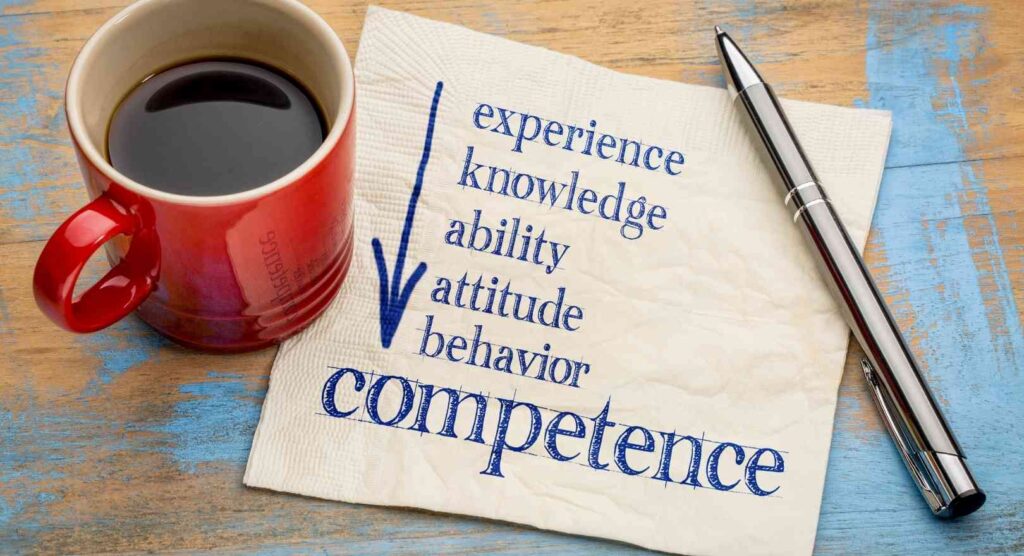
Are we ready to redefine who we are?
AI touches on our sense of competence and purpose. The core of who we are. Josh Freedman, the CEO of Six Seconds, offers us this challenge:
“When a tool can write, analyze, create, and problem-solve, it forces us to confront uncomfortable questions. If AI can do what I do, what’s my value? If my expertise can be automated, who am I professionally?”
When I deliver my keynote, The Human Edge: EI in the World of AI, to audiences, it triggers discussions rich in emotion. The threat is real. Will AI steal my job? Will I become irrelevant? If I don’t move quickly, what will happen to my business? What skills do I need to remain employable? Will AI make my job obsolete, or just change it? Will I be expected to work faster for less? Is AI a co-worker or just a tool? We must see this change for what it is: an identity evolution.
Why AI Feels Personal: The Identity Evolution
Remember those teenage years? This was when we developed our adult identity. During those chaotic adolescent years, crucial identity formation took place that was essential to our self-concept and personality development. However, sometimes we go through periods in our adult lives that also require us to adjust how we define ourselves. This is one of those times. Generative AI is tasking us to redefine our purpose and value in the workspace. We need to build a sense of self—an identity in the new world of business. Just as our teenage years were at times uncomfortable, this period can equally be an enriching experience. We call this an identity evolution.
This is not just a technological change; it is an identity evolution. People feel vulnerable.
When business leaders overwhelm us with facts, use urgency to create fear, and impose timelines to enforce adoption, the change will be met with resistance, defense, and protection. Turning up the volume on fear will slow down the very change required.
Overcoming Resistance to AI Adoption in the Workplace
What does AI Resistance look like in the workplace? Resistance doesn’t always show up as open defiance and refusal—‘I’m not going to use it, even if I lose my job.’ Most times, it manifests in a more passive and covert way. Foot-dragging and excuses are often evident in people who are uncertain of the benefits and feel threatened by the change. Arguments like ‘AI makes people lazy’ and ‘This is just a passing trend, overhyped’ often permeate conversations. Some may have logical disagreements and resist using heavily biased ‘facts’. Others may claim they simply don’t have time to master AI adoption, stating, ‘I don’t have time to learn a new and complex system that might not even work.’ Additionally, ethical concerns arise, such as ‘AI feels like I am cheating’. And many voice concerns rooted in fear and mistrust of the technology’s accuracy.

Unlock EI in the World of AI
The Human Edge
Resistance is not rebellion; it is a reflection of our vulnerabilities. It raises a red flag that people don’t feel safe.
In a World of Fear and Urgency, How Do We Cultivate a Safe Space for this Change?
In an environment where psychological safety is at risk, using the three F’s—facts, fear, and force—will do the opposite of what is intended. They evoke strong emotions and motivate us to protect ourselves. People will move further into resistance and become less open to the opportunities that Generative AI brings. Instead of employing fear-based strategies to drive change, we should ask: How can we turn resistance into a pathway for growth?
An article in the Harvard Business Review (Feb 2025) cites a 2023 Gartner survey: “79% of corporate strategists said that the use of AI, automation, and analytics would be critical to their business success, but only 20% reported using AI in their daily lives.” We know we need to embrace it, but very often we struggle to make the transition required to do so.
Why We Resist: Moving Beyond Fear and Facts
We can develop tactical plans for AI adoption, including timeframes and targets. However, true transformation happens in the hearts and minds of the people who will implement the plan. When people are uncertain and afraid, they move into protection and resistance. Our role is to create spaces for people to become engaged actors in the change. This movement is what we refer to as a “transition.” It is an active choice to tap into feelings of curiosity, excitement, and courage. Neuroscience tells us that we can experience multiple feelings simultaneously; we can be anxious and excited, scared and curious. All these emotions carry valuable messages for us. Surpressing emotions just builds more resistance. A leader who can tap into their own emotional intelligence (EQ competencies) and manage these individual transitions will accelerate AI adoption.

Unlock Change Resistance
Carey-Lyn is joined by Avril Kidd and Bongi Mbanga to unlock change resistance.
Five Actionable Strategies for Leaders to Accelerate AI Adoption
1. Build Emotional Readiness and Psychological Safety
- Explanation: Recognize that adopting AI is not just about technology; it’s about managing an identity evolution. This process takes time and requires patience.
- Action: Encourage your team to explore not just what they do, but WHY they do it.
- Question: In what ways can we rethink our value in the context of AI?
2. Encourage Deep Conversations – Facilitate Open Dialogue and Connection
- Explanation: Foster an environment where discussions about vulnerability and shared purpose are encouraged. This helps affirm new ways of adding value.
- Action: Organize regular check-ins or workshops focused on open dialogue.
- Question: How can we build confidence and belonging while creating connection and shared purpose within our team?
3. Acknowledge Emotions – Lead With Empathy and Acknowledge Vulnerability
- Explanation: Understand that the transition involves emotional responses. People may feel vulnerable, fearful, or frustrated. Fear of replacement is a primal fear.
- Action: Promote small, actionable steps toward engagement and recognize these emotions.
- Question: What ONE small step can you take today to engage with this change, and how can I support you in this journey?
4. Reframe Resistance as a Pathway for Growth
- Explanation: View resistance not as opposition, but as a reflection of attachment to current meanings and identities. This understanding can guide how to address concerns.
- Action: Engage in conversations to uncover what individuals are protecting and what they need to feel safe moving forward.
- Question: What are the underlying concerns that people have, and how can we address them to facilitate progress?
5. Create Safe Spaces for AI Experimentation
- Explanation: Encourage a culture of experimentation where team members can explore Generative AI without fear of failure. This fosters curiosity and confidence.
- Action: Set up pilot projects or innovation labs where team members can test AI tools and share their experiences.
- Question: Does the future we envision feel compelling enough for us to take steps toward it together?

A tactical plan is not enough. Approximately 95% of generative AI pilots fail to deliver measurable financial returns. Our point of leverage is to lead the emotional transitions that will result in accelerated AI Adoption. And for this, you need leaders high in EQ. The future is not just about technology; it’s about WHO WE BECOME. We are guiding people through an indentity evolution.
What Action Can You Take Today to Embrace This Transformation?
What are the EQ skills required to navigate these transitions, and do your people possess them? Bring insights to your business. Book Carey’s keynote: The Human Edge – Unlock EI in the World of AI.
