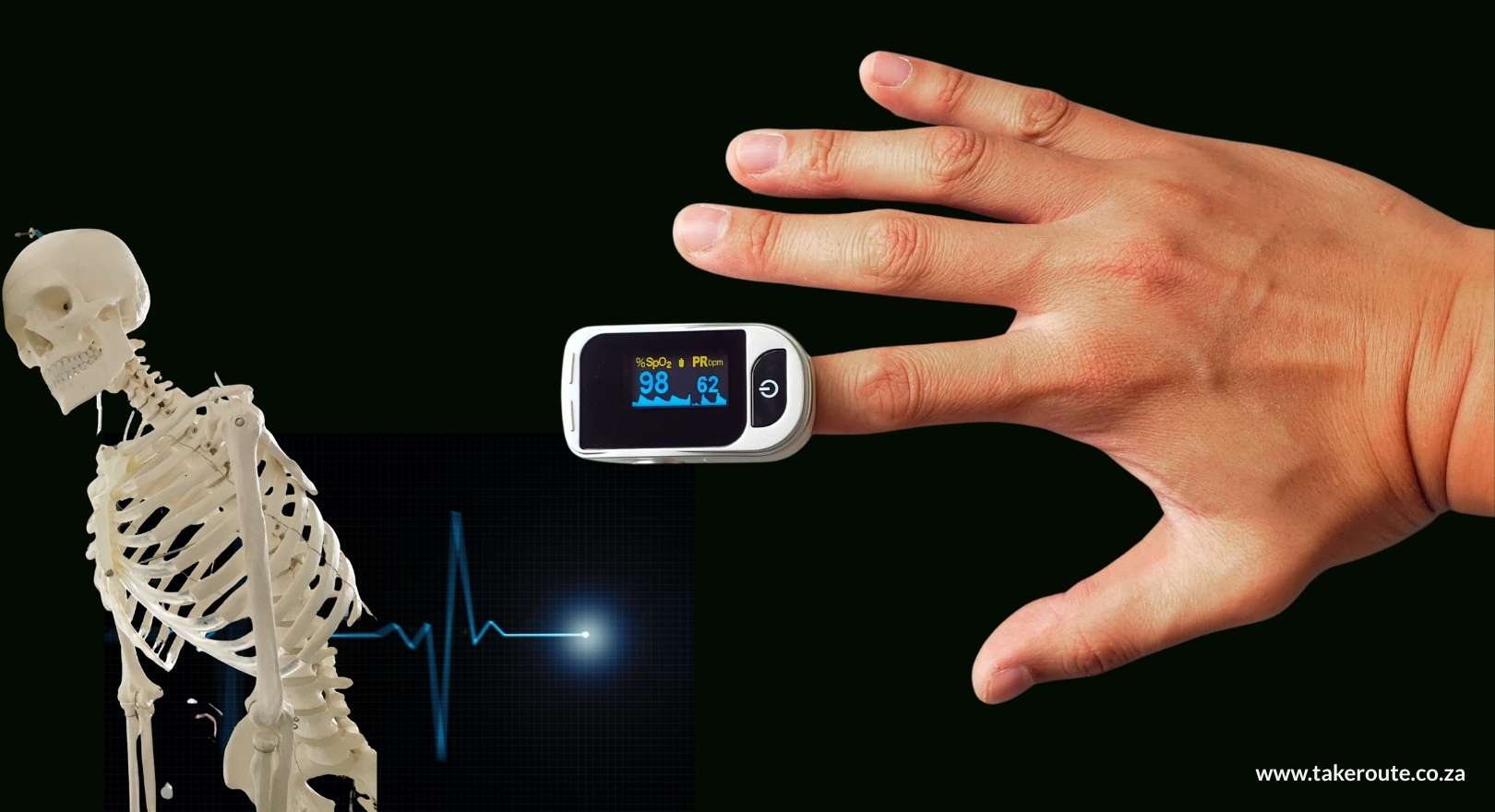
In the world of change management, we have long relied on the “Gold Standard” frameworks: Kotter’s 8-Steps and Prosci’s ADKAR. These models are brilliant; they provided the first-generation “skeletons” for organizational transformation. They gave us structure, sequence, and a logical roadmap to follow.
But here is the curious reality: You can have a perfect skeleton, but without a nervous system, the body doesn’t move.
In today’s landscape of continuous disruption—what many call the “polycrisis”—we are finding that logic alone is an expensive way to fail. If you’ve ever felt like your change initiative was a “battle plan” being forced onto a weary army, you’ve experienced the limits of linear thinking.
The Evolution: From Battle Plans to Biological Cycles
When I refer to traditional models as “linear,” I am describing their intent. They were built for a more stable era, designed to move an organization from Point A to Point B in a predictable sequence. They are, in essence, Battle Plans: strategic, top-down, and focused on “overcoming” resistance.
But in a non-linear world, Point B is a moving target.
To thrive now, we need to move from a Battle Plan to a Human Map. We need to transition from the “Skeleton” of change to the “Nervous System” of change. This is where the Six Seconds Change Map evolves the conversation.
- ADKAR is your diagnostic tool. If a project is stalling, ADKAR helps you realize, “Oh, it’s because people have the Knowledge but no Desire.”
- Kotter is your project plan. It’s the “General’s Map” for moving a massive army from Point A to Point B without losing morale.
- Six Seconds is your fuel. It acknowledges that “change is hard because it’s scary,” and it gives leaders the tools to manage the anxiety and excitement that come with it.
The genius of the Six Seconds approach isn’t that it ignores the skeleton—you still need structure. The genius is that it provides the 12 Milestones that act as the nervous system, allowing that structure to actually move, adapt, and breathe in a non-linear world.
The Evolutionary Shift: From Skeletons to Nervous Systems
| Feature | The Strategic “Skeleton” (ADKAR & Kotter) | The Human “Nervous System” (Six Seconds Change Map) |
| Primary Logic | Sequential & Linear: Moves through defined steps to reach a “finish line.” | Cyclical & Iterative: A continuous engine of Engage-Activate-Reflect. |
| Model Type | The Battle Plan: Focuses on manoeuvring, urgency, and institutionalization. | The Human Map: Focuses on enrollment, capability, and sustainable momentum. |
| View of Resistance | A Barrier: Something to be managed or defeated via urgency. | A Driver: Emotional data (Fear/Frustration) transformed into fuel (Hope/Excitement). |
| Implementation | Top-Down Logic: Creating “Awareness” and “Coalitions” to drive the vision. | Inside-Out Enrollment: Using 12 Milestones to expand competencies and “Jump In.” |
| The “End” Game | Refreezing: Anchoring the change into the culture to ensure it sticks. | Re-imagining: Integrating wins to immediately fuel the next cycle of innovation. |
The 3-6-12 Advantage: Navigating the Pulse
The Six Seconds methodology doesn’t replace the logic of legacy models; it pulses life through them. It recognises that change isn’t a ladder to be climbed, but a cycle to be lived.

By breaking the journey into 3 Phases (Engage, Activate, Reflect) and 6 Steps and 12 specific Milestones, it offers a granular way to navigate the human engine:
- Engage: We don’t just “create urgency”; we Enroll the People and Identify the Drivers—both tactical and emotional—to create genuine Hope.
- Activate: We don’t just “implement”; we Experiment with Possibility and Expand Competencies, giving people the psychological safety to “Jump In.”
- Reflect: This is the most vital, yet often ignored, phase. By asking “What just happened?” and Sharing Lessons Learnt, we transform a single project into a repeatable capability
Why “Cyclical” Wins
The fundamental flaw in the “Battle Plan” mentality is the finish line. Traditional models push for “Refreezing.” But in a world of constant change, if you freeze, you break.
The Six Seconds Map ends with Re-imagine the Future. This milestone ensures that the achievements of today are integrated directly into the strategic plan for tomorrow. You aren’t just finishing a project; you are increasing your organization’s “Change IQ.”
Moving Forward with Curiosity
As leaders, we must ask ourselves: Are we trying to “engineer” our people into compliance, or are we “mapping” a journey they actually want to join?
The “Battle Plan” has its place in history, but the future belongs to those who understand the pulse. It’s time to move beyond the checklist and start navigating the human ecosystem with the curiosity and precision it deserves.
Watch our webinar Unlocking Change Resistance – Gaining Momentum. Below a short extract to introduce the concepts covered the webinar. Link to full recording follows this short clip.